
June in Spain – Natalie Smith, June 2026
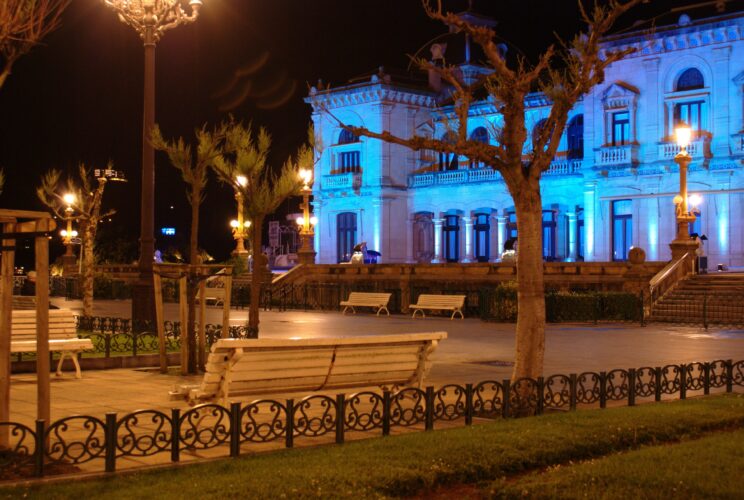
This month, before the start of the university’s exam season, I took the opportunity to travel to the north coast of Spain, which is about 5 hours away from Salamanca, to visit San Sebastián and Santander. It was an interesting experience as I had already visited the south coast of Spain, so visiting the north allowed me to learn more about cultural differences between different parts of the country and learn more about the regional cultures of Spain.
One of the highlights of the trip was exploring the Basque Country, where San Sebastián is located. I was particularly interested in learning more about Basque culture and about the differences between this region and other parts of Spain that I have visited during my year abroad. While I was walking around the city, I noticed the Basque language being used alongside Spanish, which shows the region’s distinct identity and history. I also had the opportunity to try several traditional foods, including pintxos, which are small snacks that are important in Basque food culture, and Basque cheesecake, which is one of the best Spanish foods I’ve tried during my time abroad. One of my favourite things in San Sebastián was taking the funicular up Monte Igueldo, which offers views across the city and of the surrounding beaches and countryside.
After San Sebastián, I travelled to Santander, the capital of the region of Cantabria. I enjoyed spending time on the city’s beaches and exploring the coastline, which was a nice change of scenery since Salamanca is not close to the sea. One of the highlights was walking along the coastal paths around the Magdalena Peninsula and visiting the Palacio de la Magdalena, a former royal residence where I learned about the history of Santander and the connection between the city and the Spanish monarchy during the early twentieth century.
Este mes, antes del comienzo de la temporada de exámenes de la universidad, tuve la oportunidad de viajar a la costa norte de España, que está a unas 5 horas de Salamanca, para visitar San Sebastián y Santander. Fue una experiencia muy interesante, ya que anteriormente había visitado la costa sur de España, por lo que viajar al norte me permitió aprender más sobre las diferencias culturales entre las distintas partes del país y conocer mejor las culturas regionales de España.
Uno de los momentos más destacados del viaje fue explorar el País Vasco, donde se encuentra San Sebastián. Me interesaba especialmente aprender más sobre la cultura vasca y sobre las diferencias entre esta región y otras partes de España que he visitado durante mi año en el extranjero. Mientras paseaba por la ciudad, me di cuenta de que el euskera se utiliza junto al español, lo que refleja la identidad y la historia propias de la región. También tuve la oportunidad de probar varios platos tradicionales, por ejemplo los pintxos, que son pequeños aperitivos muy importantes en la cultura gastronómica vasca, y la tarta de queso vasca, que es una de las mejores comidas españolas que he probado durante mi estancia en España. Una de mis actividades favoritas en San Sebastián fue subir en el funicular al Monte Igueldo, que ofrece unas vistas impresionantes de la ciudad y de las playas y paisajes que la rodean.
Después de San Sebastián, viajé a Santander, la capital de la comunidad autónoma de Cantabria. Disfruté pasando tiempo en las playas de la ciudad y explorando la costa, lo que fue un cambio de paisaje agradable, ya que Salamanca no está cerca del mar. Uno de los momentos más destacados fue recorrer los senderos costeros de la Península de la Magdalena y visitar el Palacio de la Magdalena, una antigua residencia real donde aprendí más sobre la historia de Santander y la relación entre la ciudad y la monarquía española durante las primeras décadas del siglo XX.